Cueva del Ermitaño
Natural refuge on the Huertas Malas circuit.
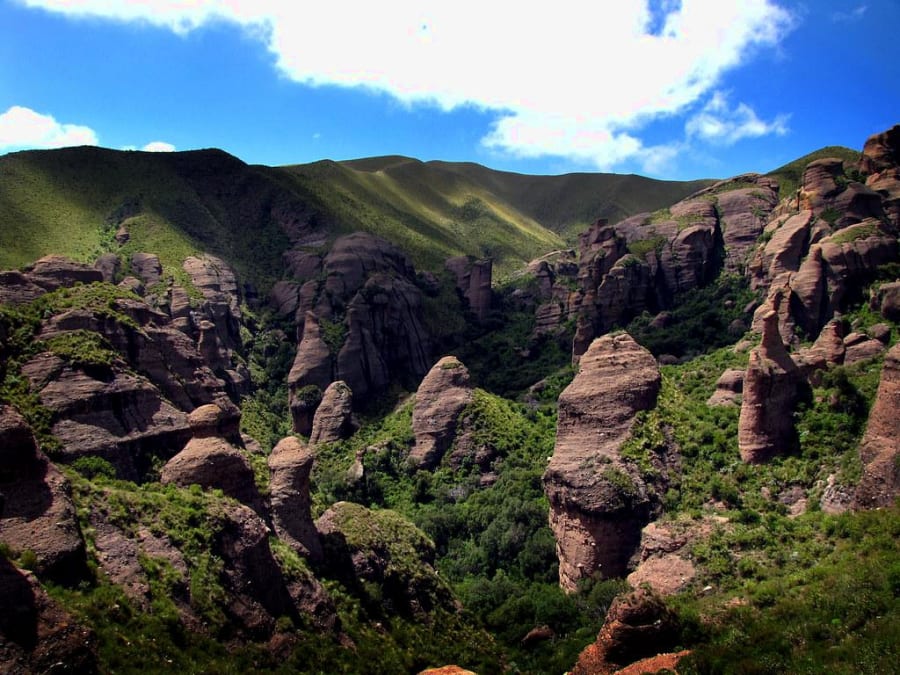
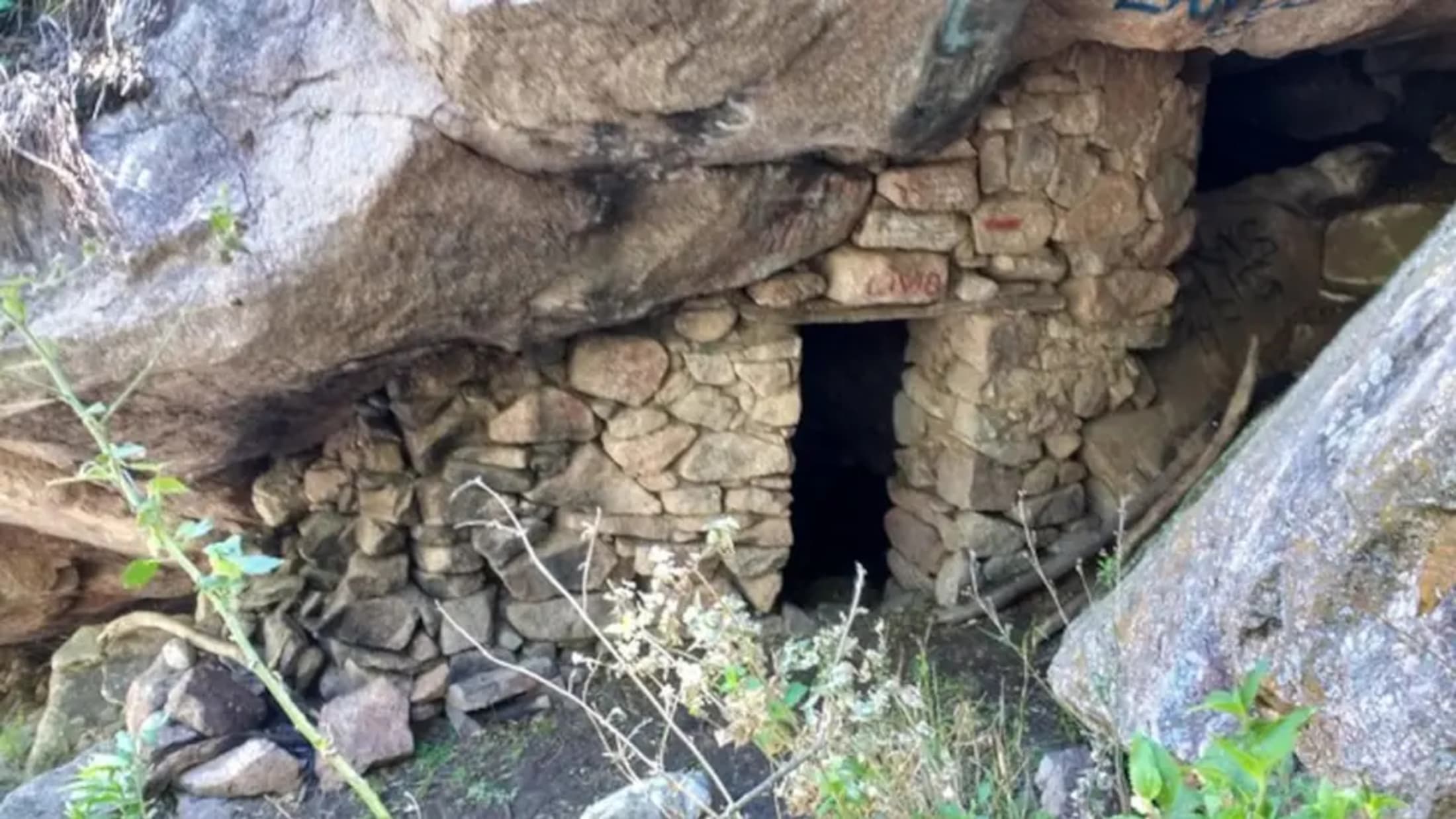
Cueva del Ermitaño is a natural shelter hidden in the Huertas Malas ravine, on the eastern slope of Cerro Uritorco, in Capilla del Monte. It is a large stone overhang that a solitary inhabitant adapted as a dwelling at the end of the 19th century, and today it is one of the most sought-after trekking destinations in the area. The route crosses a humid, lush ravine, crossed by streams, with pepper trees covered in old man's beard, ferns, and enormous rock walls. Near the cave, a waterfall of crystal-clear waters falls from above forming a natural pool. It is a challenging hike that combines mountain nature, water, and the mystique surrounding Uritorco, ideal for those seeking a full-day excursion away from mass tourism.
What makes this place unique
- The stone overhang of Cueva del Ermitaño, former dwelling of the solitary inhabitant
- The crystal-clear waterfall next to the cave, forming a natural pool
- Cascada de Las Golondrinas, a drop of about 15 meters
- The Huertas Malas ravine, humid and lush, with pepper trees covered in old man's beard and ferns
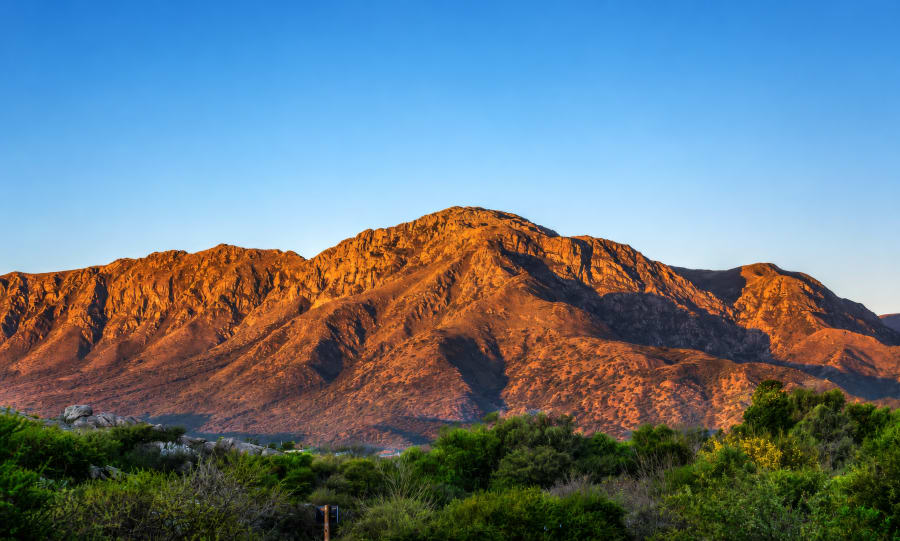
- Panoramic views of the Punilla Valley and the slopes of Cerro Uritorco
A bit of history
Legend has it that at the end of the 19th century, a man settled under a large stone overhang on the road to Huertas Malas and lived there for about twenty years. The oldest locals remembered him as a tall, very blond man with a long beard and hair, blue eyes and a good presence, who came down to town to exchange dried fruits for old clothes, bacon, or fat. He hunted guanacos, using their hides to make footwear, and he built his house against the rock himself. Due to his accent and clothing, many believed he was a Spanish captain badly wounded in the Battle of Tucumán, who had lost contact with his own during the retreat to Salta. Around 1870 he stopped appearing in Capilla del Monte: it is said that he was attacked by people who believed he hid gold and silver, but neither a treasure nor his body was ever found, which fueled the mystery surrounding the place.
URI's tips
The trail loses its markers after Cerro Overo, so it is highly recommended to bring a GPS track from Wikiloc or hire a local guide. It's best to leave early to make the most of the day, plan your return with daylight, and don't underestimate the difficulty: although the distance is not huge, there is a lot of up and down. Respect the environment and leave no waste.
What to bring
Plenty of water, food or snacks, sunscreen, hat, trekking shoes, comfortable clothing, GPS or downloaded track, and a bag to take your trash with you. For two-day excursions, camping is allowed.
How to get to Cueva del Ermitaño
5 km from downtown Capilla del Monte. About 15-20 minutes by car from the town center to Balneario La Toma, where the hike begins.
The trail starts at Balneario La Toma, in Capilla del Monte, crossing the Calabalumba River. It follows a good stretch of the path leading to Dique Los Alazanes and, near a large apacheta halfway (about 5 to 10 meters before it), it turns off descending towards the Huertas Malas ravine. From there, you follow the stream course until you reach the Cueva del Ermitaño, located about 5 km from the base of Uritorco. The route is poorly marked from Cerro Overo onwards, so it's best to bring GPS or go with a guide.
What everyone asks
Is the trek to Cueva del Ermitaño difficult?
It is of moderate to high difficulty. The distance is not long, but a large part of the route is uphill and downhill over mountain terrain, and the trail is poorly marked in some sections, so it requires good physical condition.
Can you go without a guide?
Yes, it can be done on your own, but since the route loses its markings after Cerro Overo, it is advisable to bring GPS or a track downloaded from Wikiloc. For those who do not know the area, going with a local guide is the most recommended.
Is there water or waterfalls along the way?
Yes. The ravine is crossed by streams and you pass by Cascada de Las Golondrinas, about 15 meters high, while next to the cave a waterfall of crystal-clear waters forms a natural pool.